Product search

Random fiction blog

Blog

  • NeuroSync Quantum Communicator

    NeuroSync Quantum Communicator

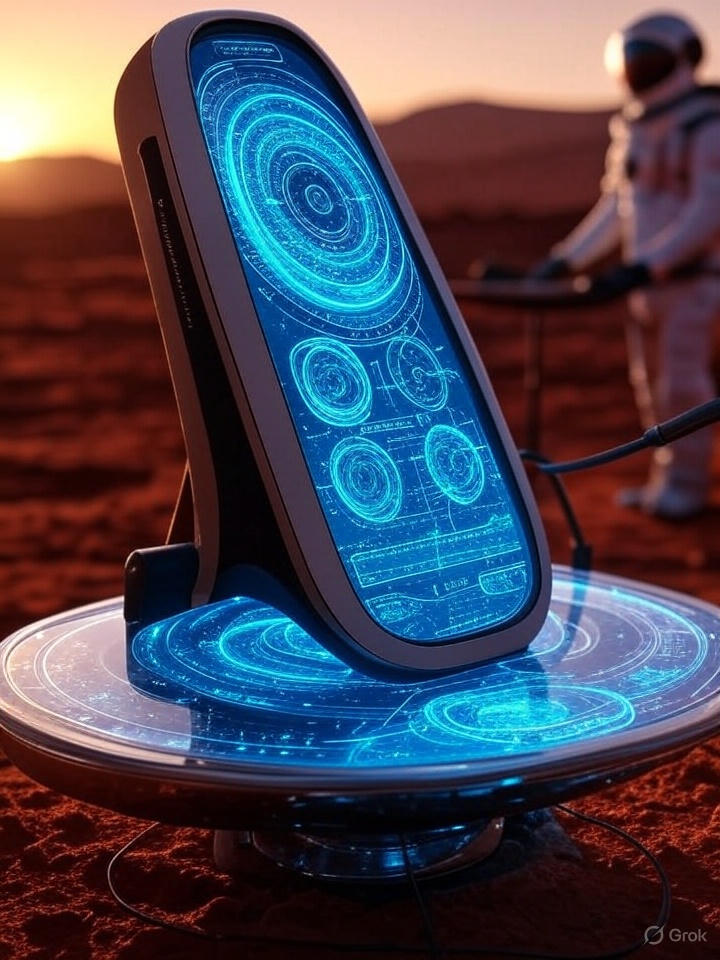
    In a groundbreaking leap for interstellar communication, the NeuroSync Quantum Communicator (NQC) unveils a revolutionary device set to redefine how we connect across the cosmos. Launched on September 7, 2025, this cutting-edge technology promises instantaneous, secure, and seamless communication, bridging distances that once seemed insurmountable.

    A New Era of Connectivity

    The NeuroSync Quantum Communicator harnesses the power of quantum entanglement to transmit data faster than light, making it the first device capable of real-time communication across star systems. Whether you’re a colonist on Mars, a researcher in a distant star system, or an explorer charting uncharted nebulae, the NQC ensures you stay connected with zero latency.

    Key Features

    Quantum Entanglement Core: Utilizing paired qubits, the NQC enables instantaneous data transfer, unaffected by distance or gravitational interference.

    Neural Interface: A non-invasive neural link allows users to send and receive messages through thought alone, streamlining communication in high-stakes environments.

    Adaptive Holo-Display: The device projects holographic interfaces tailored to the user’s environment, from low-light asteroid mines to high-radiation exoplanets.

    Self-Sustaining Energy Matrix: Powered by a micro-fusion cell, the NQC operates indefinitely without recharging, even in deep space.

    Quantum Encryption: Built-in Q-crypt protocols ensure communications are impervious to interception, safeguarding sensitive interstellar transmissions.

    Designed for the Future

    Crafted from lightweight, self-repairing nanopolymers, the NQC is as durable as it is sleek. Its ergonomic design fits comfortably in any humanoid hand or can be integrated into exosuits for seamless operation during extravehicular activities. The device’s AI-driven interface learns user preferences to optimize functionality, making it intuitive for both seasoned spacers and first-time colonists.

    Applications Across the Galaxy

    The NeuroSync Quantum Communicator is already transforming operations for key interstellar industries:

    Exploration: Real-time coordination for deep-space missions, enabling crews to share discoveries instantly with planetary command centers.

    Commerce: Secure, instantaneous trade negotiations across interplanetary markets, ensuring fair pricing and swift contracts.

    Diplomacy: Facilitating peaceful communication between human colonies and extraterrestrial civilizations, with real-time translation of over 10,000 galactic dialects.

    Personal Use: Keeping families connected across light-years, from heartfelt messages to shared holographic memories.

    What Experts Are Saying

    “The NeuroSync Quantum Communicator is a game-changer for interstellar operations. Its ability to bypass traditional communication delays makes it indispensable for the next generation of space exploration.”
    — Dr. Elara Voss, Director of Interstellar Communications, Terran Space Agency

    “This device feels like an extension of the mind itself. It’s a leap forward for anyone venturing beyond their homeworld.”
    — Captain Jaxon Ryde, Commander of the Orion Expedition

    Availability and Integration

    The NeuroSync Quantum Communicator is available for pre-order starting today through official distributors. Compatible with existing space infrastructure, the NQC integrates seamlessly with developer APIs for creating custom applications.

    Join the Interstellar Conversation

    The future of communication is here, and it’s quantum. The NeuroSync Quantum Communicator isn’t just a device—it’s a gateway to a connected galaxy. Pre-order yours today and be among the first to experience the universe without boundaries.

    Stay tuned for updates on the NQC’s rollout and exclusive demos at the 2025 Galactic Tech Expo.
  • Cabbage Patch Kids: The Doll Craze of 1983

    Introduced in 1983 by Coleco, Cabbage Patch Kids sparked a frenzy with their unique “adoption” concept and soft, huggable design. These dolls, with their vinyl faces and yarn hair, became a cultural phenomenon, leading to store riots. Let’s dive into the magic of Cabbage Patch Kids.

    Design and Appeal

    Each Cabbage Patch Kid was a 16-inch soft-bodied doll with a unique name, birthday, and adoption papers. Features included:

    • Vinyl face: Hand-stitched for individuality, with dimples or freckles.
    • Baby powder scent: A nostalgic touch that lingers in memory.
    • Customizable outfits: From dresses to overalls, sparking imaginative play.

    Available in various skin tones and hair colors, they fostered inclusivity.

    [](https://mommypoppins.com/anywhere-kids/100-best-classic-toys-retro-toys-vintage-toys)[](https://www.parents.com/classic-toys-that-have-made-a-comeback-8721019)

    Cultural Impact

    Selling over 100 million units, Cabbage Patch Kids were a holiday must-have, with parents lining up for hours. Their “adoption” process made kids feel like real parents, creating emotional bonds.

    Why They Matter

    Cabbage Patch Kids redefined dolls with personality and collectibility. Modern versions, like Squishy editions, keep the magic alive. Did you adopt a Cabbage Patch Kid? Share your story below!

    Disclaimer: Information based on historical data. Check toy archives for details.

  • Slinky: The Mesmerizing Spring Toy of the 1940s

    Slinky: The Mesmerizing Spring Toy of the 1940s

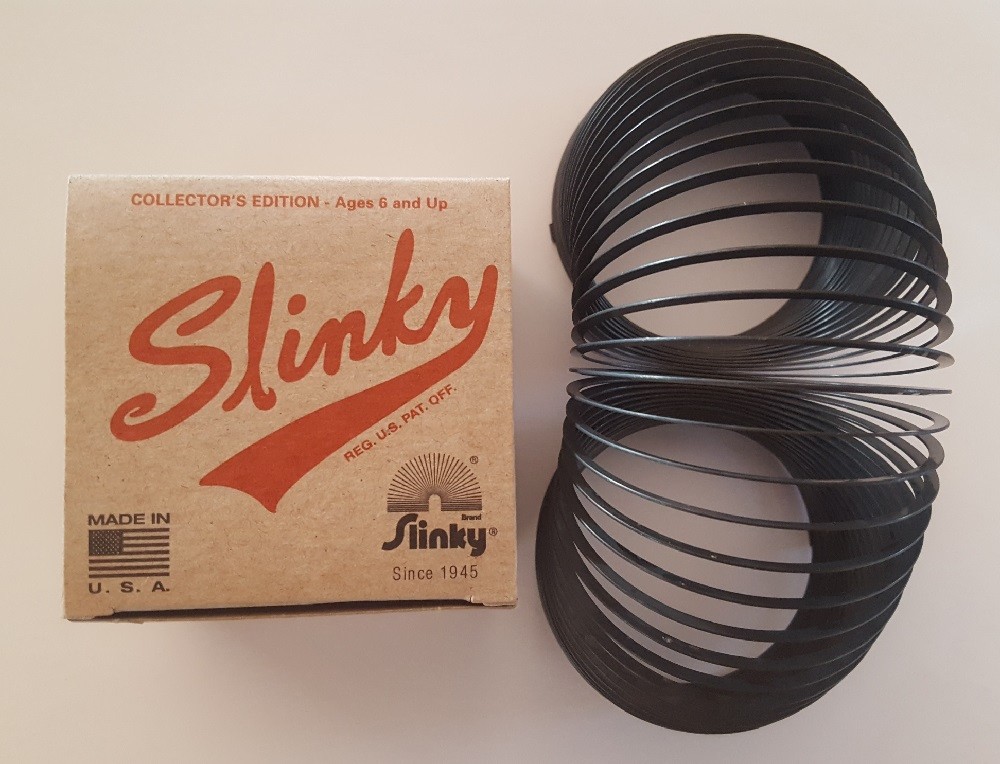
    Invented in 1945 by Richard James, the Slinky is a timeless toy that captivated generations with its simple yet hypnotic ability to “walk” down stairs. This helical metal spring became a staple of childhood play, selling millions worldwide. Let’s explore why the Slinky remains a nostalgic favorite.

    Design and Play

    The Slinky is a metal or plastic helical spring, typically 2.75 inches in diameter, that stretches and recoils. Its magic lies in its ability to:

    • Walk down stairs: Gravity makes it flip end-over-end, mesmerizing kids and adults.
    • Stretch and bounce: Pull it apart or let it spring back for tactile fun.
    • Make sounds: The iconic “slink” noise as it moves.

    Available in classic metal or colorful plastic, it was simple yet endlessly entertaining.

    [](https://rarehistoricalphotos.com/nostalgic-vintage-toys/)

    Cultural Impact

    With over 300 million units sold, the Slinky appeared in movies like Toy Story and was inducted into the National Toy Hall of Fame. Its low cost and universal appeal made it a household staple across decades.

    Why Slinky Endures

    The Slinky’s charm lies in its simplicity—no batteries, just physics. It’s still sold today, sparking joy for new generations. Did you watch a Slinky glide down stairs? Share your memories below!

    Disclaimer: Information based on historical data. Check toy archives for details.

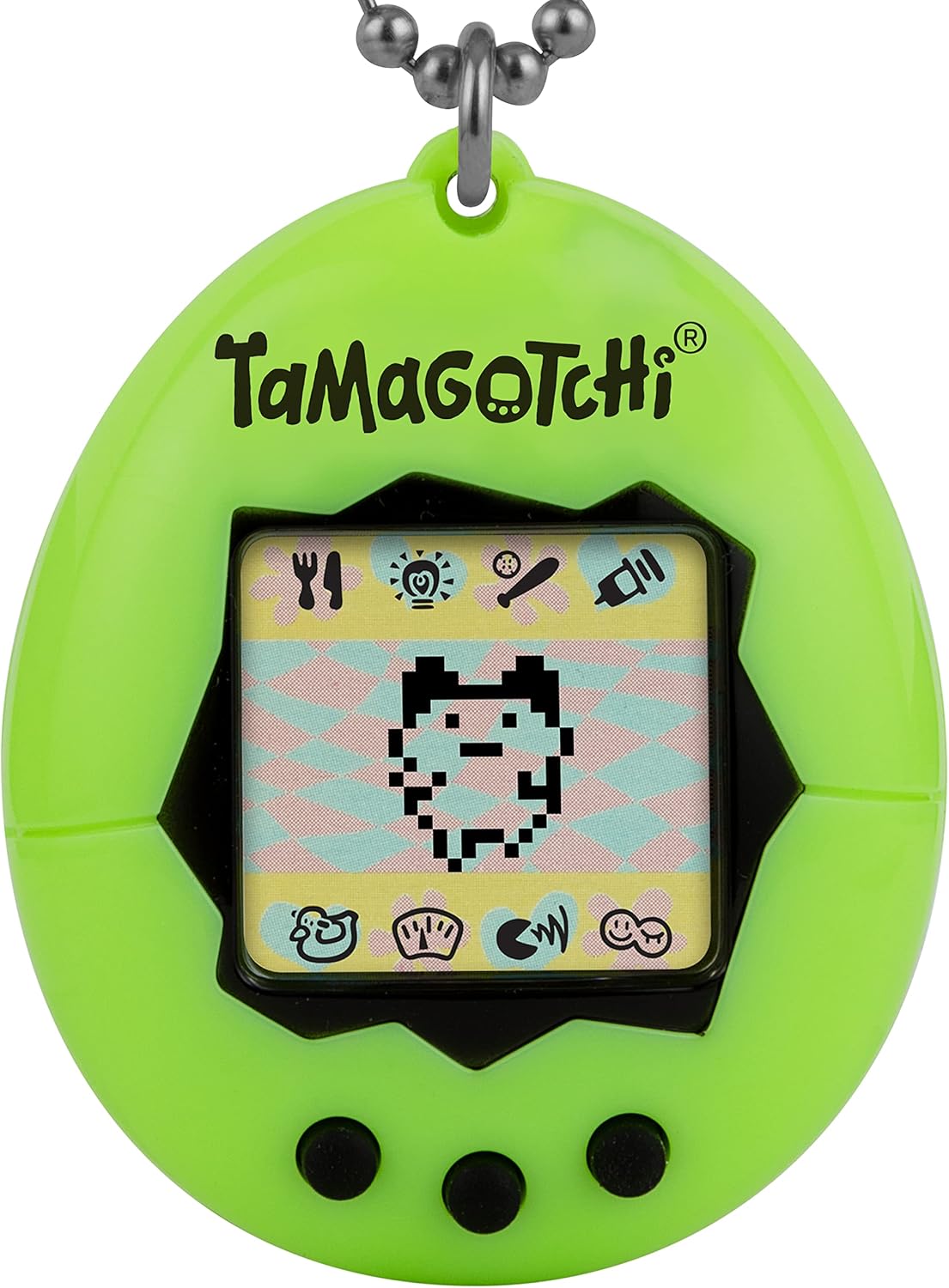
  • Tamagotchi: The Virtual Pet That Stole Our Hearts in 1996

    Tamagotchi: The Virtual Pet That Stole Our Hearts in 1996

    Launched in 1996 by Bandai, the Tamagotchi became a global phenomenon, turning kids into virtual pet parents overnight. These pocket-sized digital pets, housed in colorful egg-shaped devices, required constant care and sparked a craze that defined the late 90s. Let’s revisit the magic of Tamagotchi and why it remains a nostalgic treasure.

    Design and Gameplay

    The Tamagotchi was a keychain-sized device with a 32×16 pixel LCD screen and three buttons for navigation. Available in vibrant colors like Pink, Blue, and Yellow, it featured a virtual pet that hatched from an egg. Kids fed, cleaned, played with, and disciplined their pet to keep it happy and healthy, with each choice affecting its growth into different characters.

    Why It Was a Hit

    Tamagotchis were addictive because:

    • Responsibility: Kids learned to care for their pet or face its “death,” creating emotional stakes.
    • Portability: Small enough to sneak into school, leading to playground trading and battles.
    • Variety: Multiple generations (e.g., V1, V2) offered new characters and features.

    The toy’s popularity led to school bans due to distractions, cementing its cultural impact.

    [](https://www.legit.ng/ask-legit/top/1589034-nostalgic-2000s-toys-remind-good-days/)

    Legacy and Modern Appeal

    With over 82 million units sold, Tamagotchis inspired modern virtual pet apps. The 2020s saw re-releases with Wi-Fi connectivity, but the original’s simplicity remains unmatched. Collectors hunt for rare designs, and prices for mint-condition units can reach hundreds of dollars.

    [](https://www.boredpanda.com/nostalgic-vintage-toys-pics/)

    Why Tamagotchi Matters

    The Tamagotchi taught us responsibility and sparked endless childhood debates about whose pet lived longest. Did you raise a Tamagotchi? Share your favorite pet memories below!

    Disclaimer: Information based on historical data. Check vintage toy resources for details.

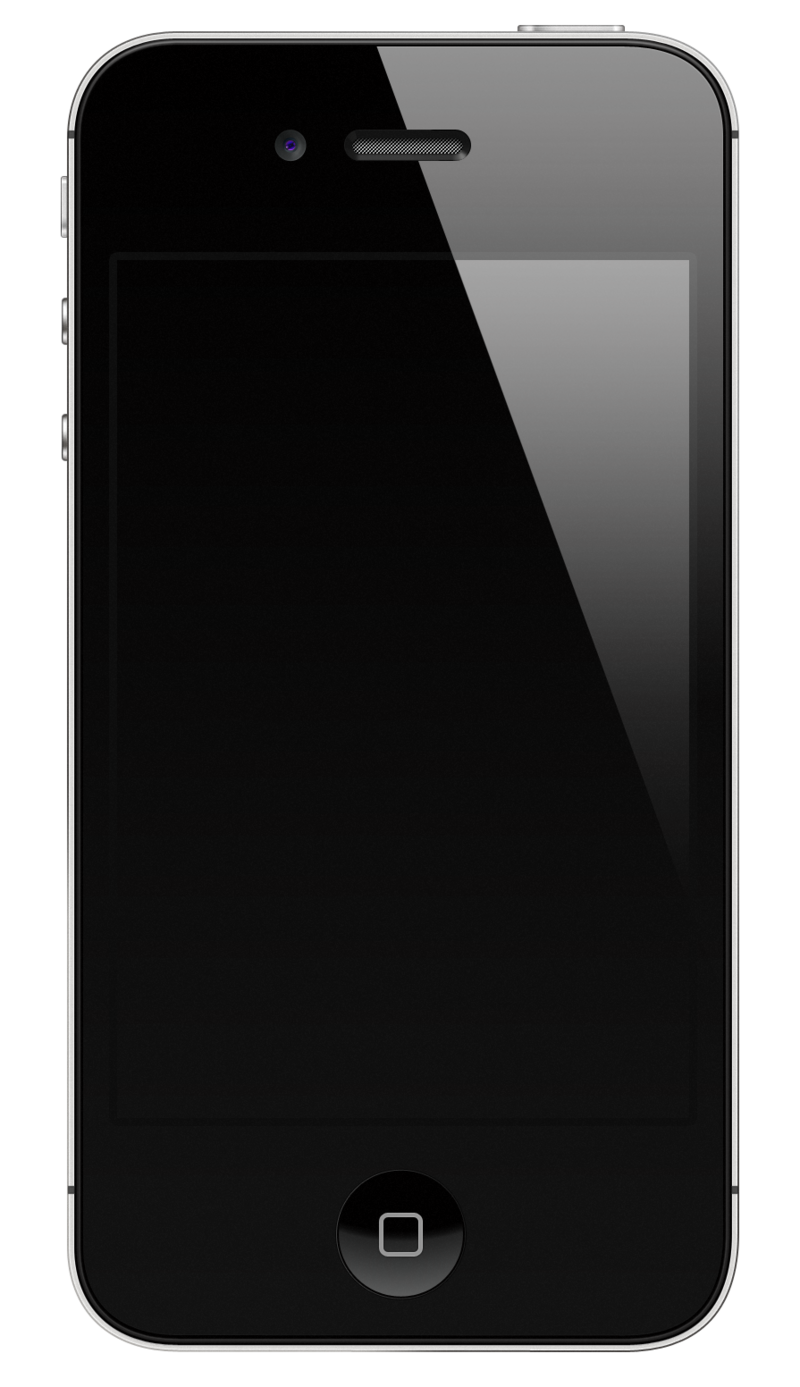
  • iPhone 4S: Apple’s 2011 Game-Changer

    iPhone 4S: Apple’s 2011 Game-Changer

    Released in October 2011, the iPhone 4S introduced Siri and a powerful camera, building on the iPhone 4’s iconic design. With over 60 million units sold, it was a defining moment for Apple. Let’s revisit its groundbreaking features.

    Premium Design and Display

    Weighing 140 grams, the iPhone 4S featured a glass-and-stainless-steel design in Black or White. Its 3.5-inch Retina display (960 x 640 pixels) offered a pixel density of 326 PPI, setting a new standard for clarity.

    Performance

    Powered by the Apple A5 chip (dual-core, 800MHz) with 512MB RAM, the 4S was fast for apps and gaming. It came in 16GB/32GB/64GB variants.

    Camera and Siri

    The iPhone 4S introduced:

    • 8MP rear camera with LED flash and 1080p video recording.
    • VGA front camera for FaceTime.
    • Siri, a voice assistant for tasks and queries.

    Software and Connectivity

    Running iOS 5 (upgradable to iOS 9), it supported Wi-Fi, Bluetooth 4.0, and 3G. iCloud integration enabled seamless backups.

    Battery Life

    The 1432mAh battery offered up to 8 hours of talk time and 200 hours of standby.

    Why the 4S Matters

    The iPhone 4S brought Siri and a stellar camera to the masses, shaping modern smartphones. Its design remains iconic. Did you use Siri on the 4S? Share below!

    Disclaimer: Specifications based on historical data. Check Apple archives for details.

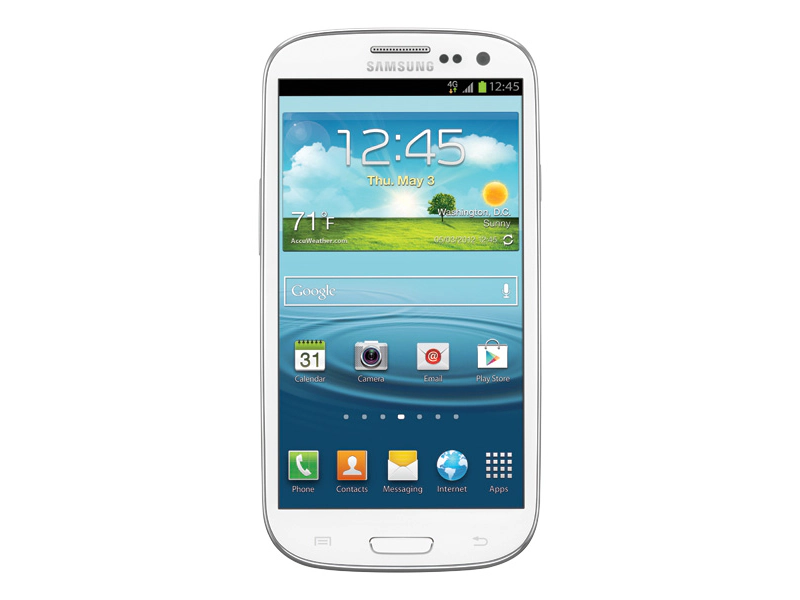
  • Samsung Galaxy S3: The Android Powerhouse of 2012

    Samsung Galaxy S3: The Android Powerhouse of 2012

    Launched in May 2012, the Samsung Galaxy S3 redefined Android smartphones with its sleek design and innovative features. Selling over 70 million units, it competed head-on with the iPhone. Let’s explore the specs that made the S3 a game-changer.

    Design and Display

    Weighing 133 grams, the S3 featured a polycarbonate body in Pebble Blue and Marble White. Its 4.8-inch Super AMOLED display (720 x 1280 pixels) offered vibrant colors and deep blacks, protected by Gorilla Glass 2.

    Performance

    Powered by a 1.4GHz quad-core Exynos 4412 (or Snapdragon S4 in some regions) with 1GB RAM, the S3 handled multitasking and gaming smoothly. It came in 16GB/32GB/64GB variants with microSD support.

    Camera and Features

    The S3 boasted:

    • 8MP rear camera with autofocus, LED flash, and 1080p video.
    • 1.9MP front camera for video calls.
    • S Voice, a Siri-like assistant, and smart features like Smart Stay.

    Software and Connectivity

    Running Android 4.0 Ice Cream Sandwich (upgradable to 4.4 KitKat), it supported 4G LTE, Wi-Fi, Bluetooth 4.0, and NFC.

    Battery Life

    The 2100mAh battery provided up to 11 hours of talk time and 590 hours of standby.

    Why the S3 Stands Out

    The Galaxy S3’s design and features set the stage for Samsung’s dominance in Android. Its legacy lives in modern Galaxy phones. Did you own an S3? Share your experience below!

    Disclaimer: Specifications vary by region. Check Samsung archives for details.

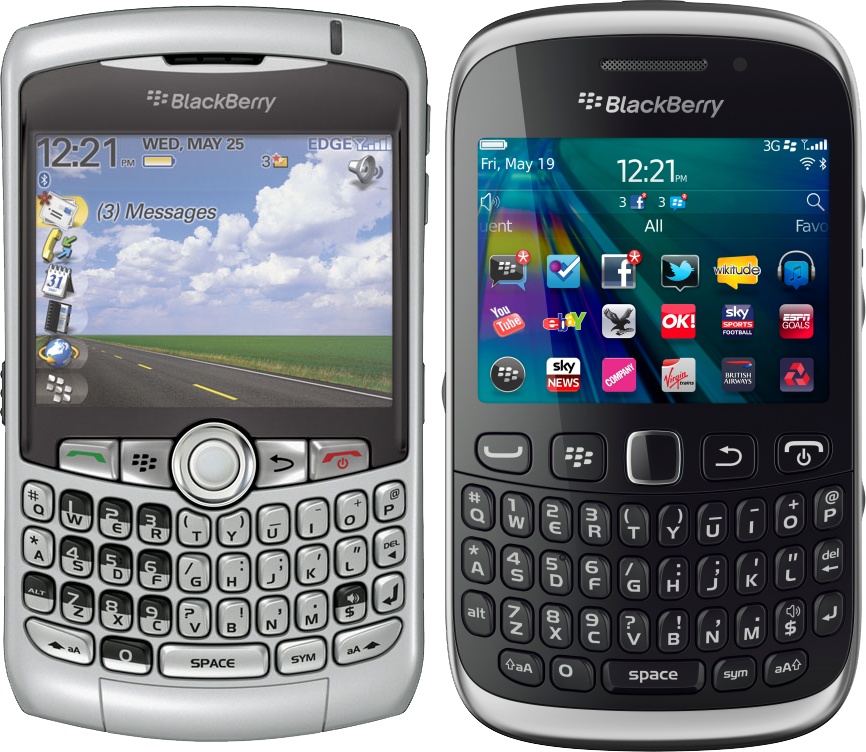
  • BlackBerry Curve 8300: The Business Classic of 2007

    BlackBerry Curve 8300: The Business Classic of 2007

    Released in May 2007, the BlackBerry Curve 8300 brought business-class email and messaging to the masses with its sleek design and iconic QWERTY keyboard. A favorite among professionals, it blended productivity with multimedia. Let’s dive into what made the Curve 8300 a standout.

    Compact Design and Display

    Weighing 111 grams, the Curve 8300 featured a compact design with a full QWERTY keyboard for fast typing. Available in Black and Silver, its 2.5-inch TFT display (320 x 240 pixels, 65K colors) was crisp for emails and media.

    Camera and Multimedia

    The 2MP camera with flash supported decent photos and video recording. Multimedia features included:

    • Media player for MP3, AAC, and video playback.
    • 32MB internal memory with microSD support for expansion.
    • 3.5mm headphone jack for audio.

    Productivity and Connectivity

    Running BlackBerry OS, the Curve excelled at:

    • Push email for instant Gmail and corporate email access.
    • BlackBerry Messenger (BBM) for secure messaging.
    • Bluetooth 2.0, GPRS, and EDGE for connectivity.

    Battery Life

    The 1100mAh battery offered up to 4 hours of talk time and 408 hours of standby, ideal for busy professionals.

    Why the Curve 8300 Matters

    The BlackBerry Curve 8300 made email and messaging accessible, paving the way for modern smartphones. Its keyboard and reliability remain iconic. Did you type on a Curve? Share your thoughts below!

    Disclaimer: Specifications based on historical data. Check BlackBerry archives for details.

  • Motorola Razr V3: The Stylish Flip Phone of 2004

    Motorola Razr V3: The Stylish Flip Phone of 2004

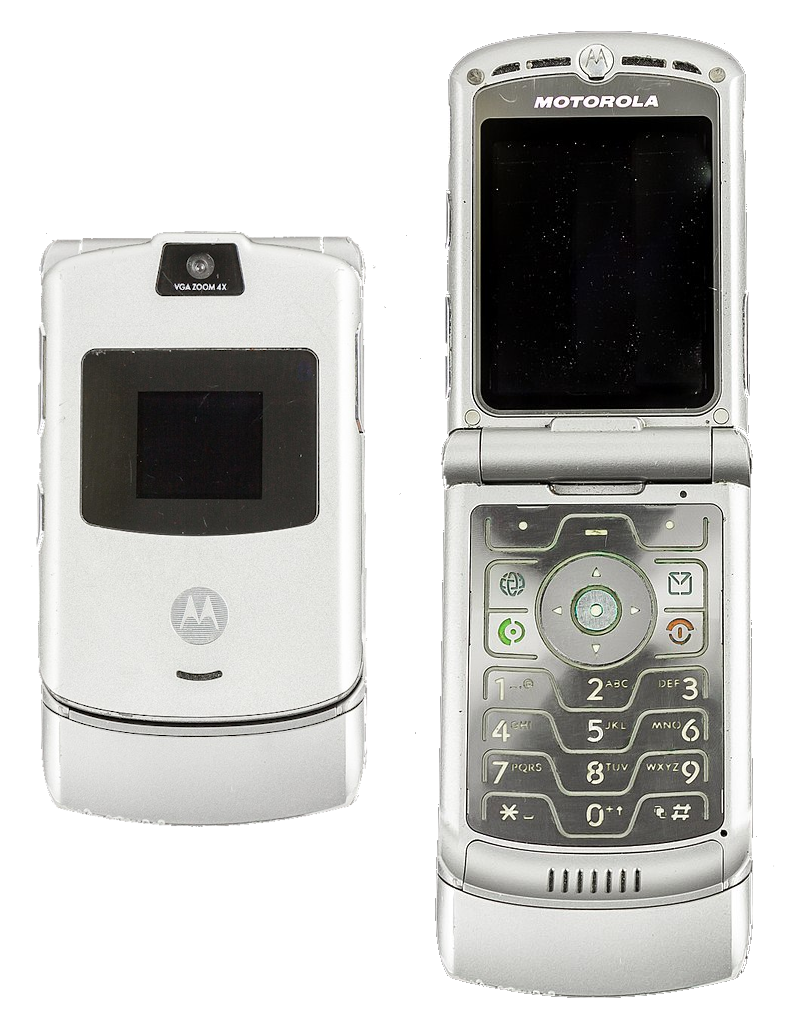
    Launched in July 2004, the Motorola Razr V3 redefined mobile phone design with its sleek, ultra-thin flip form factor. Selling over 130 million units, it was a fashion statement and a technological marvel. Let’s explore the features that made the Razr V3 an icon of the mid-2000s.

    Sleek Design and Display

    At just 13.9mm thick and 95 grams, the Razr V3’s aluminum-clad flip design was a game-changer. Available in Silver, Black, and later Pink, its premium look appealed to trendsetters. The 2.2-inch TFT display (176 x 220 pixels, 260K colors) was vibrant, complemented by a 96 x 80 pixel external display for quick notifications.

    Camera and Multimedia

    The Razr V3 featured a 0.3MP VGA camera for basic photography and short video clips. It supported:

    • MP3 ringtones for personalized alerts.
    • MPEG4 video playback on its crisp internal screen.
    • 22MB internal memory for storing media and contacts.

    Connectivity

    With Bluetooth, GPRS, and mini-USB, the Razr V3 offered decent connectivity for syncing and data transfer. It ran on GSM 850/900/1800/1900 networks, ensuring global compatibility.

    Battery and Performance

    The 680mAh battery provided up to 7 hours of talk time and 280 hours of standby. Its responsive keypad and intuitive interface made it a joy to use for calls and texting.

    Why the Razr V3 Shines

    The Motorola Razr V3 combined style and function, influencing modern foldable phones. Its premium design and cultural impact make it a collector’s gem. Did you flip open a Razr? Let us know in the comments!

    Disclaimer: Specifications based on historical data. Check vintage tech sources for details.

  • Nokia 3310: The Indestructible Legend of 2000

    Nokia 3310: The Indestructible Legend of 2000

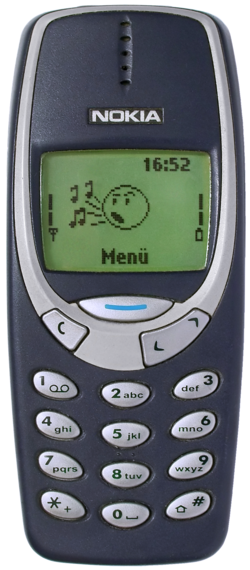
    Released in September 2000, the Nokia 3310 is arguably the most iconic mobile phone ever made, known for its legendary durability and the addictive game Snake II. With over 126 million units sold, this compact device became a cultural phenomenon. Let’s revisit the features that made the Nokia 3310 a timeless classic.

    Rugged Design and Display

    The Nokia 3310 sports a candybar design weighing 133 grams, with a sturdy plastic body that earned it the nickname “indestructible.” Available in colors like Blue, Grey, and interchangeable Xpress-on covers, it was both practical and customizable. Its 1.5-inch monochrome display (84 x 48 pixels) was simple but clear, perfect for texts and games.

    Essential Features

    The 3310 was built for communication and fun:

    • SMS messaging with predictive text (T9) and support for up to 459 characters.
    • Snake II, a wildly popular game, alongside Space Impact and Bantumi.
    • Voice dialing and call management features like call waiting and forwarding.
    • Customizable ringtones with a composer for creating your own tones.

    Battery Life

    Powered by a 900mAh NiMH battery, the 3310 offered up to 4.5 hours of talk time and 245 hours of standby. Its battery life was a standout, lasting days on a single charge, making it ideal for travelers and minimalists.

    Connectivity

    Operating on GSM 900/1800 networks, the 3310 supported basic connectivity for calls and SMS. It lacked modern features like Bluetooth or internet but excelled in reliability for its era.

    Why the 3310 Endures

    The Nokia 3310’s durability, simplicity, and nostalgic games make it a collector’s favorite. Its 2017 re-release proved its lasting appeal, but the original remains a symbol of an era when phones were built to last. Have you owned a 3310? Share your stories below!

    Disclaimer: Specifications based on historical data. Check retro tech archives for details.

  • Sony Ericsson K750i: A 2005 Classic That Redefined Mobile Photography

    Sony Ericsson K750i: A 2005 Classic That Redefined Mobile Photography

    Launched in June 2005, the Sony Ericsson K750i remains an iconic mobile phone that set the standard for camera phones in its era. With its 2-megapixel camera, robust multimedia features, and sleek design, the K750i was a favorite among tech enthusiasts and casual users alike. Let’s take a nostalgic dive into the features and specifications that made this phone a trailblazer in the mid-2000s mobile landscape.

    Timeless Design and Build

    The Sony Ericsson K750i sports a candybar design weighing just 99 grams, making it lightweight and easy to carry. Its dual-front design, a signature of Sony Ericsson phones since the T610, combines a traditional phone layout with a camera-like back, optimized for horizontal photography. The phone is available in four colors: Oxidized Black, Blue, Metallic Red, and Blasted Silver (exclusive to Vodafone in the UK), with a later red variant released. The sliding lens cover protects the camera from scratches, adding both functionality and style.

    The 1.8-inch TFT display boasts a resolution of 176 x 220 pixels and supports 262,000 colors, delivering vibrant visuals for its time. The intuitive joystick navigation, paired with a dedicated “C” (clear) button and back button, makes menu navigation smooth and user-friendly.

    Groundbreaking Camera Capabilities

    The K750i’s standout feature is its 2MP autofocus camera with an f/2.8 lens and built-in flash, a rarity in 2005. It supports:

    • Three shooting modes: Panoramic, frames, and burst for versatile photography.
    • 4x digital zoom for capturing distant subjects.
    • Four effects: Negative, black & white, sepia, and solarization.
    • Macro mode for close-up shots.

    The camera produces sharp, vibrant images, especially in low light, thanks to the effective flash. Videos can be recorded, though limited to about 2 minutes due to memory constraints. Photos and videos can be viewed vertically, with an 8x zoom for playback.

    Multimedia Powerhouse

    The K750i doubles as a multimedia device with a robust MP3 and AAC player and FM radio with RDS. The Music DJ feature allows users to create custom ringtones by mixing MIDI files, adding a creative touch. The phone supports MPEG4 video playback and comes with 34MB internal memory plus a 64MB Memory Stick Duo (expandable). The included headset doubles as an antenna for hands-free radio listening, and the audio quality is clear in both hands-free and speaker modes.

    Connectivity and Productivity

    For its time, the K750i offers impressive connectivity:

    • Bluetooth and Infrared for wireless data transfer.
    • USB for syncing contacts, calendars, and notes with Microsoft Outlook.
    • Ability to act as a modem via Bluetooth, Infrared, or USB.

    Productivity features include a memo vocal recorder (limited only by memory), which can be used as ringtones, and a note display on the standby screen for reminders. The phone also supports Java games and downloadable themes, with popular sites like Zedge and Lasyk.net offering glassy, animated themes that were a hit in 2005.

    Battery and Performance

    The K750i is powered by a 900mAh battery, offering up to 9 hours of talk time and 400 hours of standby time. Its efficient hardware ensures smooth performance for calls, multimedia, and gaming. The phone supports GSM 900/1800/1900 networks, making it compatible with most global carriers at the time.

    Why the K750i Still Matters

    The Sony Ericsson K750i was a pioneer in mobile photography, introducing features like autofocus and a dedicated camera design that influenced future smartphones. Its blend of style, functionality, and customization made it a beloved device for 2000s nostalgists. Collectors and retro tech enthusiasts still appreciate its durability and charm, though modern SIM cards may require specific configurations to bypass the “Insert SIM” error on some units.

    Whether you’re revisiting the K750i for nostalgia or exploring its capabilities for vintage projects, this phone remains a testament to Sony Ericsson’s innovation. Have you used the K750i? Share your memories in the comments below!

    Disclaimer: Specifications are based on historical data and may vary by region or firmware. Check vintage tech resources for more details.